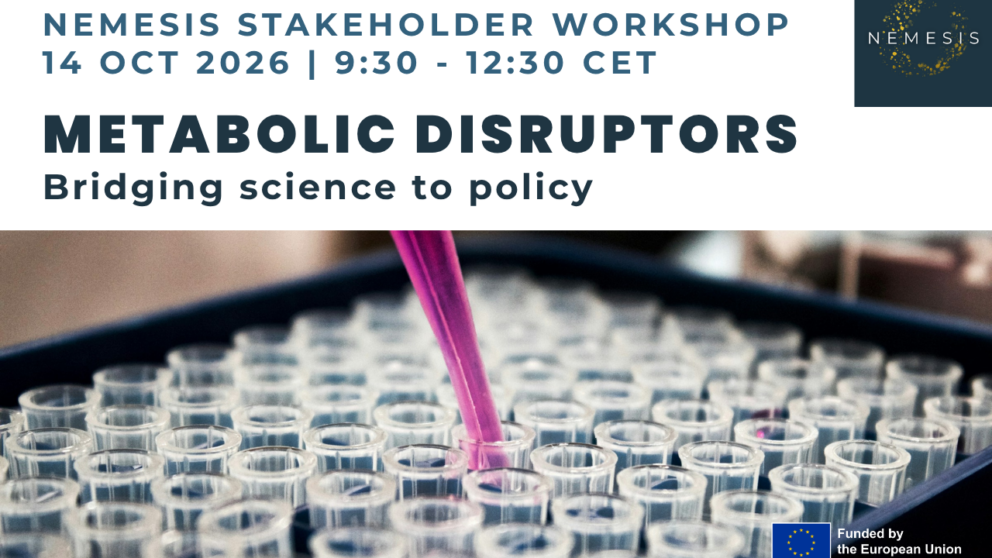
Save the date: NEMESIS Stakeholder Workshop 14 October 2026
Event: NEMESIS Stakeholder workshop: Metabolic disruptors – bridging science to policy Date: 14 October 2026Time: 9:30-12:30 CET Join us for a stakeholder workshop hosted by the NEMESIS project, bringing together researchers, policymakers and other stakeholders to discuss how metabolism-disrupting chemicals (MDCs) affect human health. The workshop will focus on the latest research results and how emerging […]
NEMESIS for You is now live
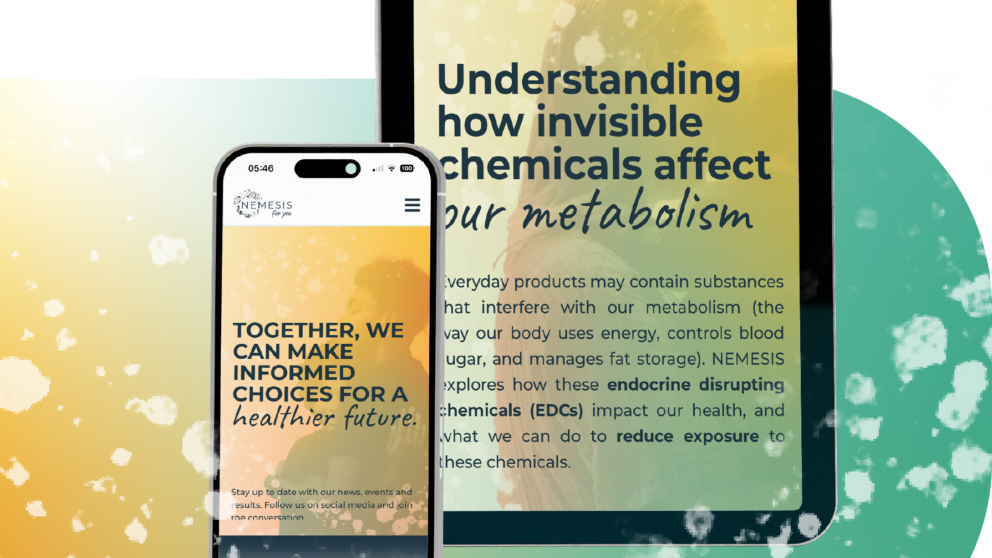
Today on the World Environment Day (5 June 2026), we are excited to launch the NEMESIS for You, a new multilingual platform developed within NEMESIS, providing accessible and reliable information on endocrine disrupting chemicals (EDCs) and environmental health. We invite you to explore the NEMESIS for You website and share it. To keep up with […]
Exploring Hormone-Disrupting Chemicals and their impact with computational chemistry
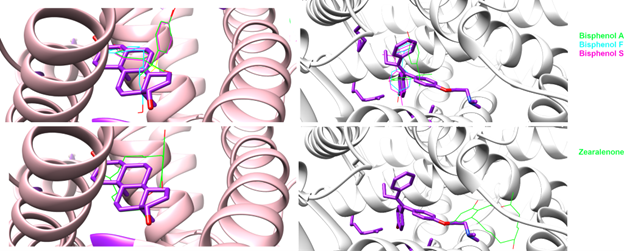
Find out how our team at NovaMechanics, together with our experimental partners, used computational tools to understand how everyday chemicals interfere with our hormones – and what this means for your health. What are Endocrine Disrupting Chemicals, and why should we care? Every day, we are exposed to hundreds of synthetic chemicals that are present […]
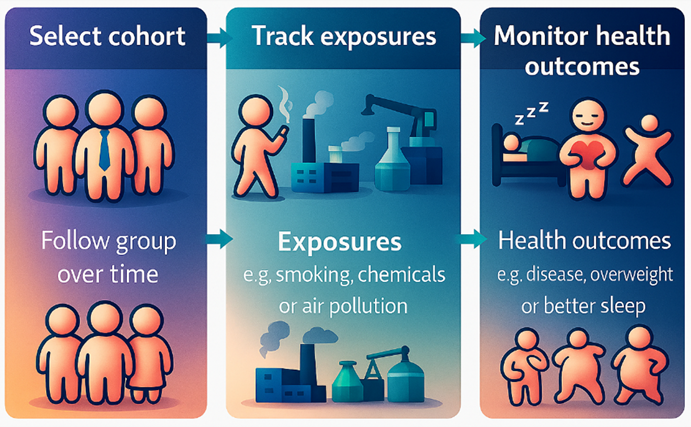
Cohort studies – What are they and how do we use them in NEMESIS?
A cohort is a group of individuals sharing a common trait or experience, such as birth, during a specific time period. This group/cohort can be used within research in observational studies. They can be studied retrospectively (backwards in time) or prospectively (forward in time) depending on whether the health outcome of interest has occurred or […]
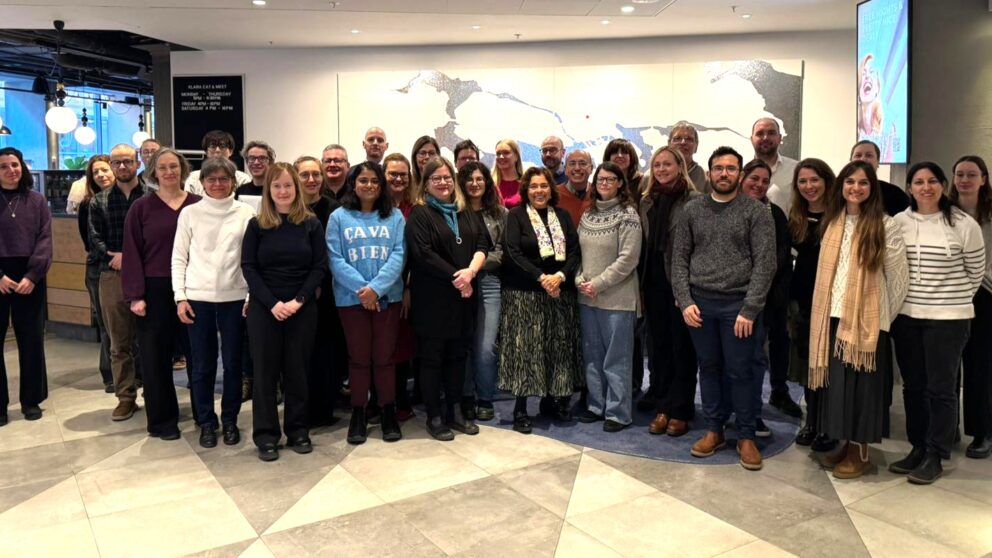
General Assembly in Stockholm
The NEMESIS General Assembly meeting took place on 27-28 January 2026 in the wintery Stockholm. Two days of great presentations on the excellent progress in all research teams and great ideas for further collaboration. Thank you all for attending and for the active and enthusiatic discussions! It was also nice to meet the new members […]

Exciting Research Highlights from 2025
The year 2025 has been both busy and successful one for the NEMESIS project. Our team has published several new studies in leading scientific journals, providing new insights into metabolic disruption, the effects of environmental chemicals, and innovative methodologies for assessing their potential adverse health effects. Highlights from this year’s publications: 🎄 Get to know […]
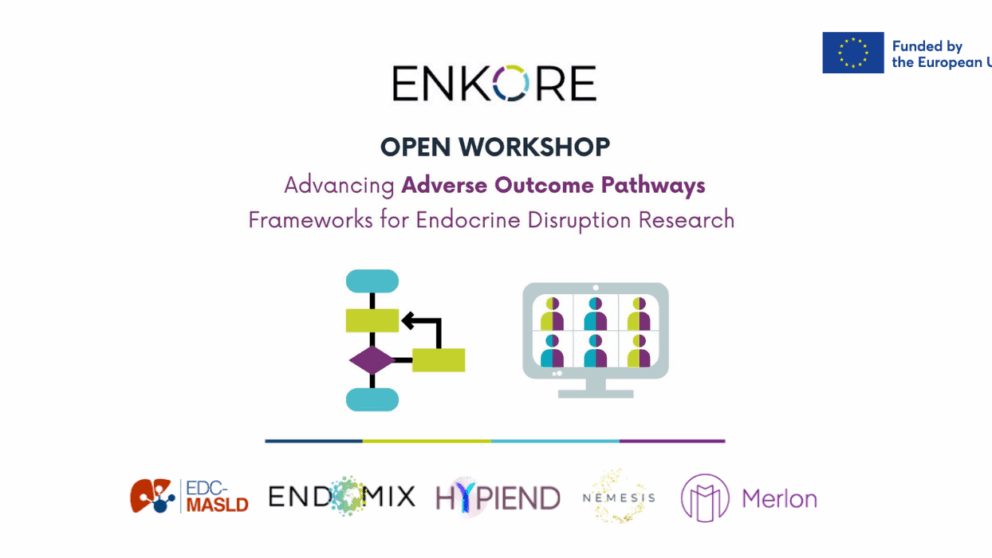
ENKORE Workshop: Advancing Adverse Outcome Pathways (AOP) Frameworks for Endocrine Disruption Research
The ENKORE cluster invites researchers, regulatory experts, and students to join the upcoming workshop “Advancing Adverse Outcome Pathways (AOP) Frameworks for Endocrine Disruption Research” on 11 December 2025. This workshop is the first in a series of four thematic ENKORE workshops designed to strengthen scientific collaboration and knowledge exchange across the cluster’s partner institutions. Participants […]
NEMESIS Citizen survey open!
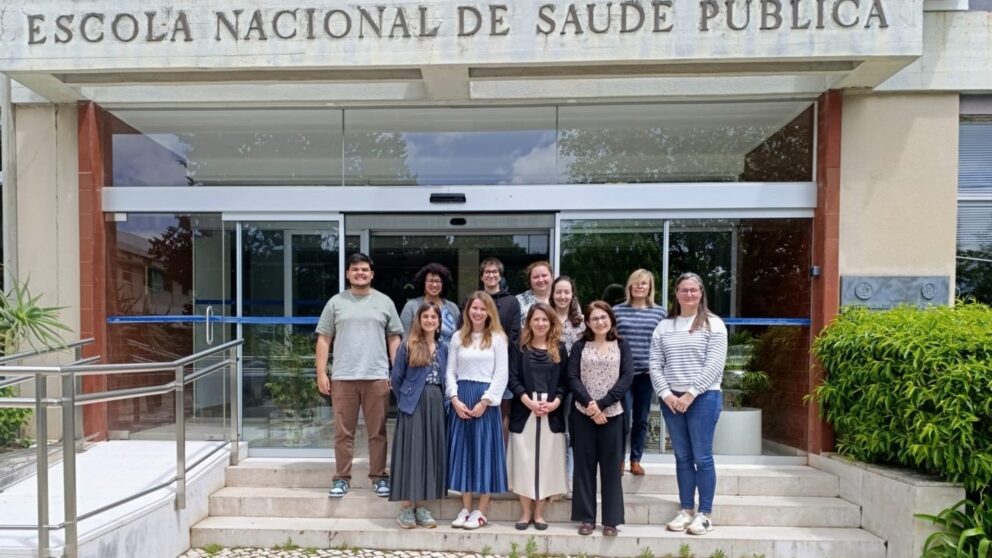
📢 Take part in a European study and help us protect public health! Researchers from the NOVA National School of Public Health, in Portugal, as part of the NEMESIS project, are studying what people think about chemicals present in our daily lives to understand their needs and help improve public health measures. This study has […]
Understanding Mixture Risk Assessment: Why It Matters
When assessing chemical safety, most regulatory frameworks still evaluate substances individually. However, in our daily lives, we are environmentally exposed to a wide variety of substances – via the air we breath, the water we drink, the food we eat and the many consumer products we use every day. The NEMESIS project takes a crucial step forward […]
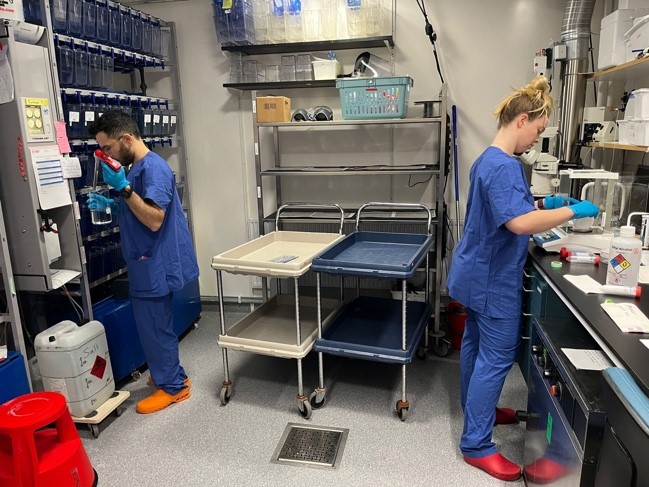
Using zebrafish to study metabolic adverse outcomes of EDCs and associated mechanisms
In October 2024, the Wincent Lab at Karolinska Institutet started testing the effects of NEMESIS focus-compounds on adverse outcomes using zebrafish, a non-mammalian model, as part of the in vivo work done in the NEMESIS project. Malin Lundvall, a Master’s student, and Oscar Diaz, Postdoc, performed the initial testing and evaluated the effects of 8 […]